Pastiche
As discussed before the concept of Pastiche is frequently used in many films and tv shows, the purpose behind it at times is to pay homage to the original works or to add more emphasis on a particular scene or movie moment for many film enthusiasts it can also be sort of a treat or a game (scavenger hunt) to be able find the hidden gems in the details. Being able to identify the art of pastiche is not for everyone. It requires a certain level of film knowledge and previous film related information. From a particular scene to certain camera angles, prop use or even a deliverance of dialogue or outfit could be a way to pay tribute to some previously well-known film work. In the case of the new 2023 film Leave the World Behind, on closer inspection film viewers can link the concept of pastiche that is used in it with the 1956 film North by Northwest, a classic action movie directed by Alfred Hitchcock.
As seen in both images it can be observed that the drone in an open field shot from figure 2 is a Pastiche to the film North by Northwest. Both drones in the film scene fly upwards for a while until they start descending towards the ground releasing some substances from their crafts. In the case of fig 1 it is white fumes/gas that is being released, whereas for the drone in figure 2 its red paper flyers are thrown upon its descent. By comparing both images, what kind of similarities and differences in meaning can be seen? Is there a hidden meaning behind the different colors of smokes? What does the red smoke from the second image symbolize? Why are such minor details so important when analyzing films?
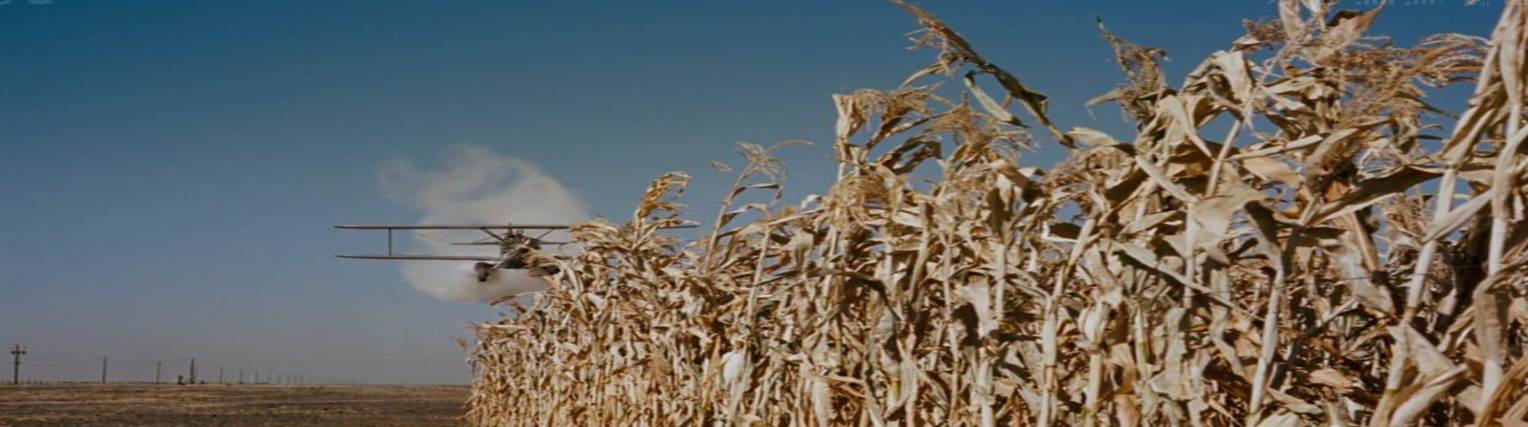
North by Northwest Fig 1

Leave the World Behind Fig 2
One of Hitchcock’s signature camera tracking techniques is known to be the window tracking shot which is again seen in his film North by Northwest and is also honored in the film Leave the World Behind. This tracking shot gives the audience the illusion of looking into a private moment. The feeling of being an outsider looking in is the intention behind such tracking shots. It creates a sense of excitement and a feeling of thrill. The idea that one could be caught peeping at any moment. Why was there a need to capture these angles? Does this point of view give the audience a feeling of added thrill and adrenaline? Do scenes such as these add onto the effect of voyeurism for some viewers?
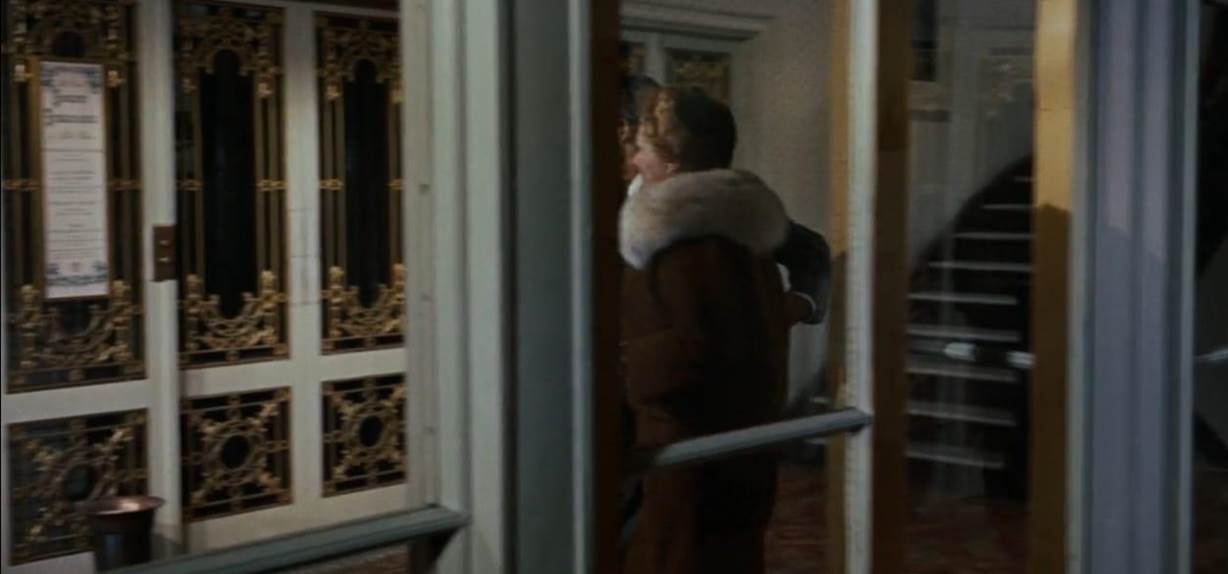
North by Northwest fig 3
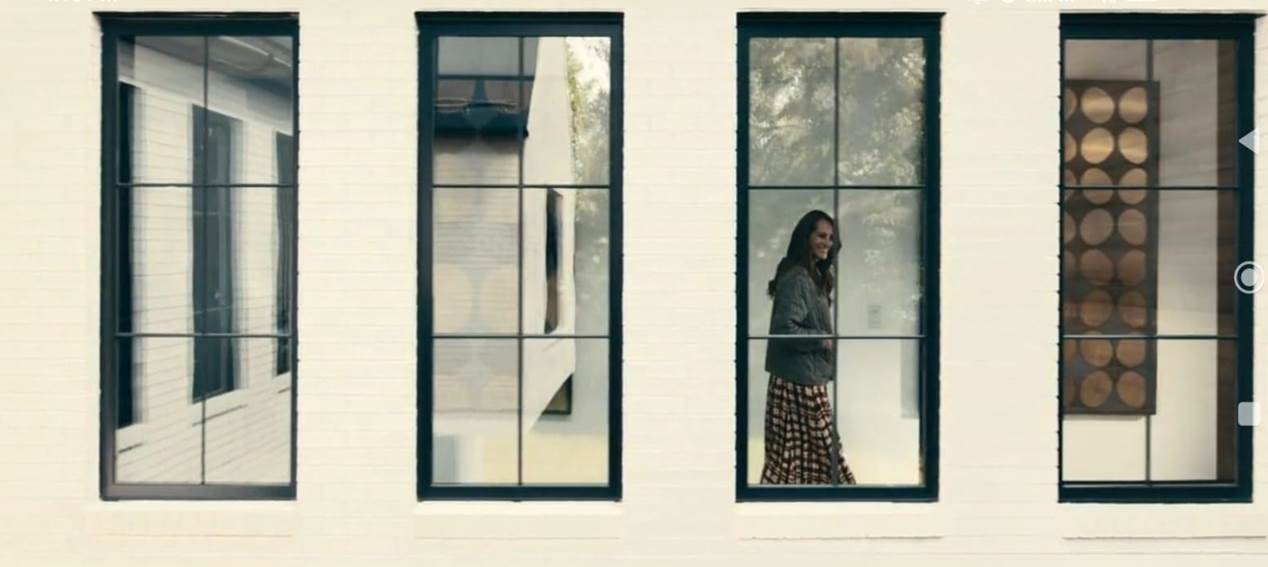
Leave the World Behind fig 4
The Bird’s Eye View
Another example of Pastiche can be seen in the film Leave the World Behind (fig 6) and a similar scene from the older film North by Northwest (fig5). Capturing scenes through the bird’s eye view lens gives the audience the feeling of looking at The Big Picture and at the same time the audience can see every little detail that might be happening in the background. Why do scenes show different kinds of zooming effects? Is it for the purpose of giving the audience the chance to take in The Big Picture? to pay closer attention to detail and to add meaning to the contrasting coloring done in the background? Do scenes like these create an omnipotent effect?
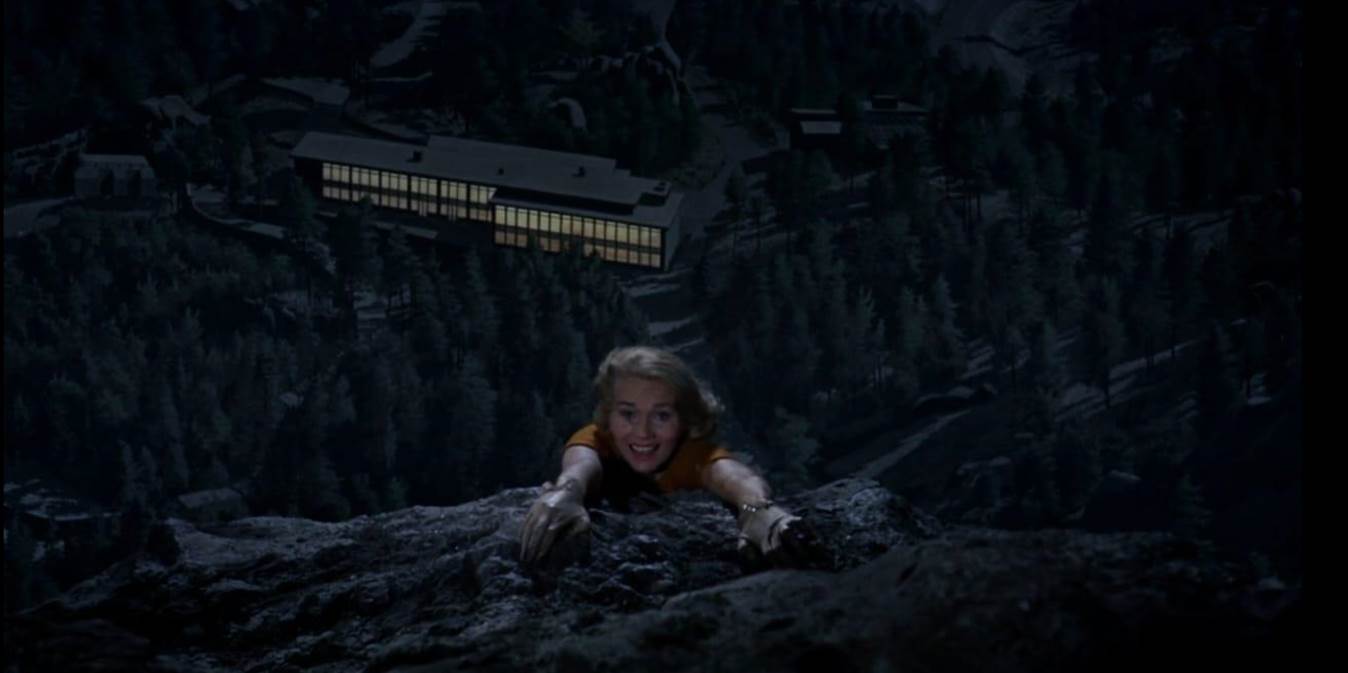
North by Northwest fig 5
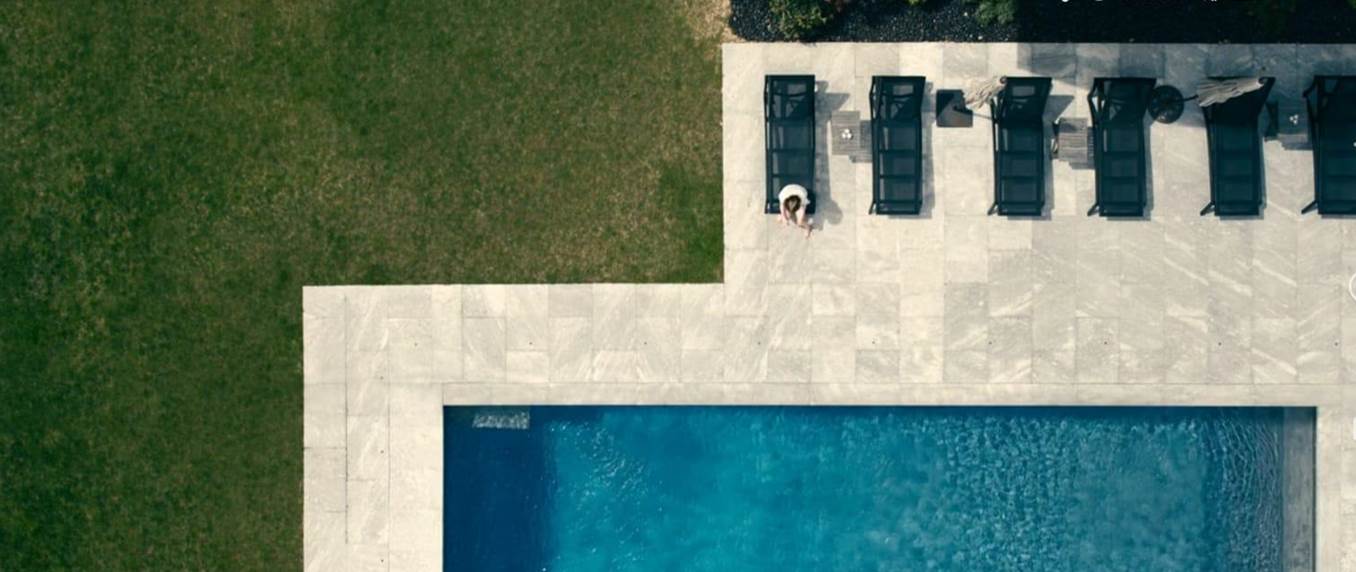
Leave the World Behind fig 6
GH running away from the plane is reminiscent of Hitchcock’s plane scene in the movie. Is the man running away from the crashing plane or is this a symbol for the oncoming troubles? Do shots like this act more as a guise of foreshadowing the plot in a film? Does this feel like the impending danger is immediate or has it all just begun?

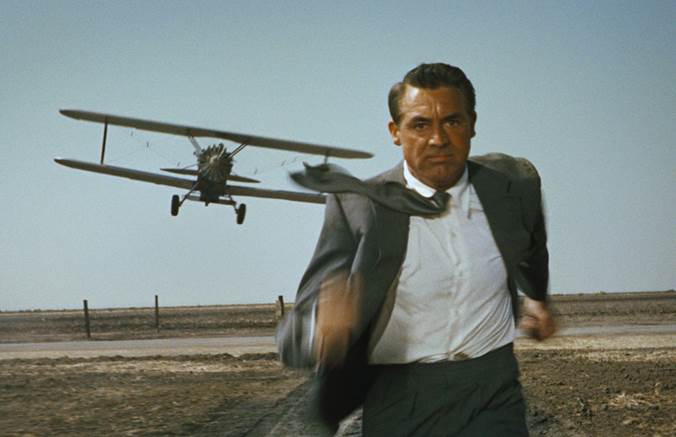
fig 7 fig 8
You can get here both from the concept of pastiche and by looking at films closely. Why are certain camera angles used? Why does the shading change in some scenes? What meaning do props create? Why is important to make and understanding connections in films?